Understanding Plastic Recycling
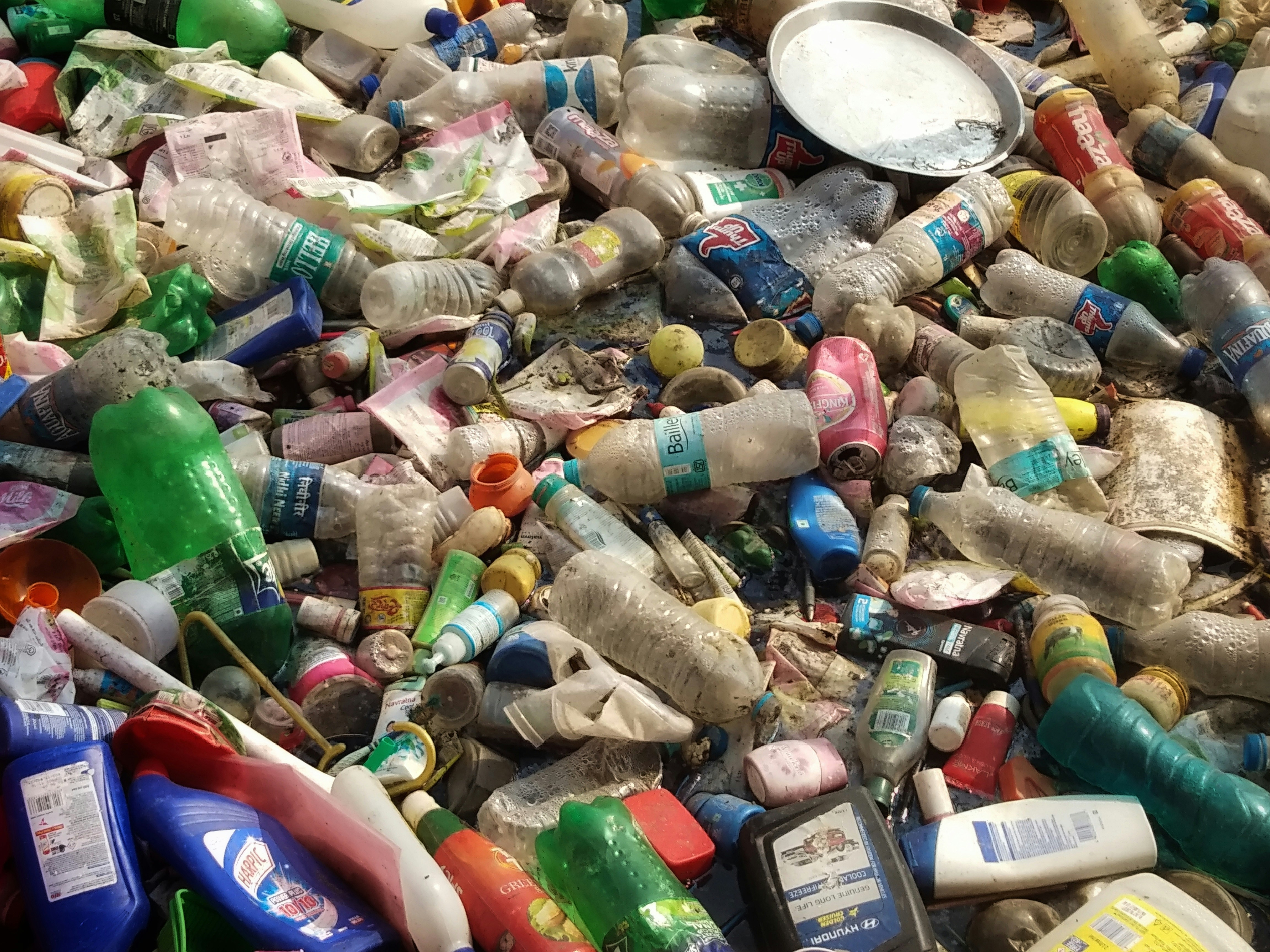
Plastic recycling is a crucial process that involves converting waste plastic into reusable material. This practice helps to reduce the amount of plastic waste in landfills and oceans. With millions of tons of plastic produced each year, effective recycling is essential to manage this growing environmental issue. By recycling plastic, we can conserve natural resources and reduce the energy consumption associated with the production of new plastics.
The Environmental Impact of Plastic Waste
Plastics take hundreds of years to decompose, posing a significant threat to our ecosystems. Animals often mistake plastic for food, leading to ingestion, entanglement, and even death. Furthermore, the production process of plastic generates greenhouse gases, contributing to climate change. Recycling helps mitigate these effects by reducing the need for virgin plastic production and minimizing the overall carbon footprint.
How Individuals Can Contribute
Every individual can play a role in plastic recycling. Simple actions such as sorting recyclable materials and participating in local recycling programs make a considerable difference. Additionally, choosing products with minimal plastic packaging encourages companies to adopt sustainable practices. Educating oneself and others about the importance of recycling can lead to greater community involvement and environmental stewardship.
In conclusion, adopting plastic recycling not only helps preserve our planet but also fosters a sustainable future for generations to come. By understanding and participating in this essential process, we can collectively make a lasting impact.